


Before choosing a steel supplier, it’s essential to have a clear understanding of what the project requires. For large-scale developments, a precise technical brief is the key document in the purchasing process. It outlines the necessary steel types, sizes, mechanical properties, and regulatory criteria. By defining these details upfront, you can establish a solid foundation for your supply agreement.
Type of steel you need
Steel sections refer to a wide range of shapes and profiles, each engineered to fulfill distinct structural roles that can take your construction projects to the next level. Gaining a solid grasp of these remarkable options is essential for delivering superior results.
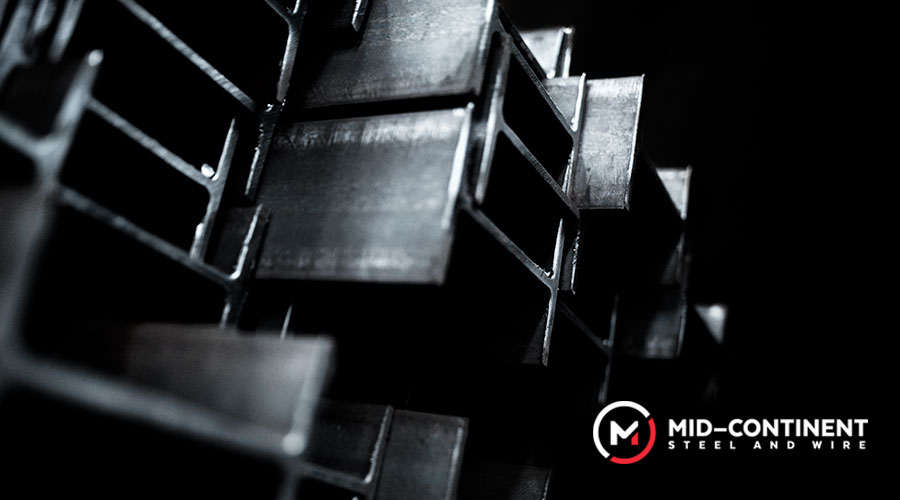
- Steel beams: Often referred to as I-beams or H-beams, structural steel beams are the backbone of many big projects. They are specifically crafted to withstand bending with exceptional effectiveness, making them an essential component in construction.
- Channel sections: Commonly called C-sections or U-channels, these adaptable structural elements are a favorite for framing, bracing, and support applications where loads sit off-center.
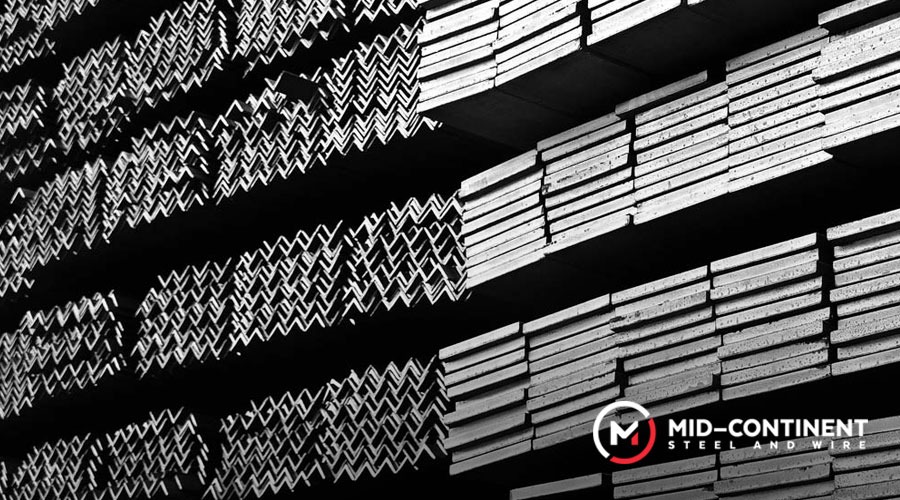
- Angles: Offered in both equal-leg and unequal-leg configurations, steel angles are incredibly adaptable elements that excel in reinforcement, framing, and bracing roles. Their outstanding versatility allows them to rise to nearly any structural challenge.
- Bars: Steel bars serve an enormous variety of fabrication and construction needs. Typically used in construction, manufacturing, and fabrication for structural or reinforcement purposes. They come in various shapes, sizes, and grades depending on the application.
Who sells what?
After you’ve clearly outlined your requirements, the next phase is exploring the variety of suppliers in the market. Each type of supplier brings unique benefits and valuable opportunities for different needs.
- Steel mills: Steel manufacturers are the main producers, providing great value for bulk orders. Large-scale projects typically gain the most from direct partnerships saving on costs with consistent quality.
- Stockholders and service centers: These suppliers maintain a large stock from multiple mills and provide smaller volumes with value-added services like cutting and drilling. They can be convenient for quick access.
- Special fabricators: Fabricators focus on cutting, welding, and assembling steel components, frequently supplying the raw materials as well.
Factors to consider about the supplier
Selecting the right supplier is critical to the success of any building construction or manufacturing project. Before making a decision, it’s important to evaluate these factors:
1. Assurance and reliability
When selecting a supplier, quality should be a top priority. Seek suppliers with a strong quality management system and all required certifications. A commitment to process control, rigorous testing, and continuous improvement reduces the risk of problems.
2. Supplier capabilities and technology
Assess whether the supplier can fulfill your particular requirements, such as offering advanced cutting capabilities. Choose suppliers that can have the capacity to reduce coordination efforts and show flexibility as well as technical proficiency.
3. Comprehensive inventory
Suppliers with a substantial inventory help you stay on schedule. By having materials readily available, they help minimize lead times and prevent delays.
4. Competitive pricing
Include delivery charges, processing fees, and certification expenses. Choosing a supplier based solely on low prices can lead to unexpected delays and higher overall costs if reliability or quality is compromised.
5. Experience and reputation
A supplier’s experience is a strong indicator of their expertise. Review client testimonials and references to gauge their reputation. Suppliers with many years in the industry and a track record of excellent customer service are likely to be responsive, knowledgeable, and well-equipped.
Mid-Continent Steel and Wire stands out as suppliers
Our strong commitment to quality, backed by certified quality management systems and rigorous testing allow to meet diverse requirements efficiently.
Trust our decades of industry experience, broad range of products, and solid reputation to deliver the expertise and reliability for success.