


Steel beams play a critical role in construction, providing exceptional strength and stability to structures like buildings and bridges worldwide. These beams are designed for different structural frameworks and can withstand bending and shear stresses, making them ideal for carrying heavy loads in different types of projects.
Available in a variety of forms and dimensions, each type offers distinct properties and applications tailored to specific construction industry requirements.
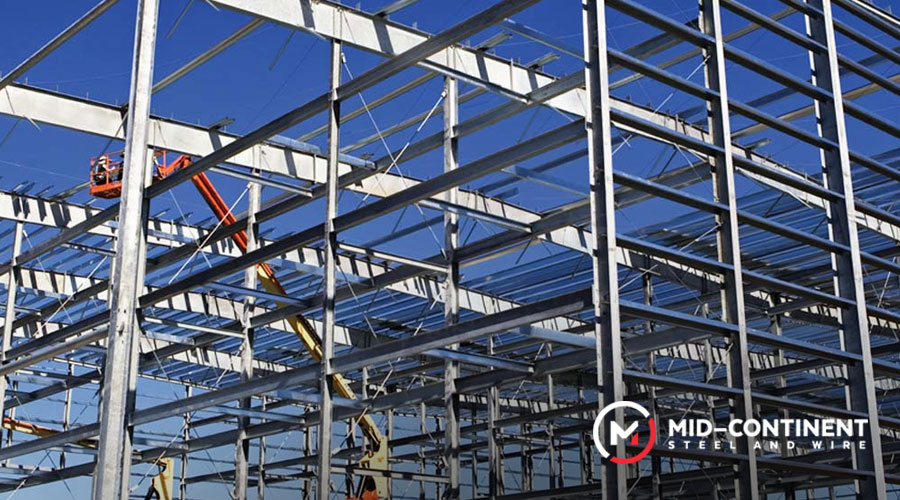
Steel beam types
Steel beams come in a variety of types, such as I-beams, W-beams, H-beams, and channel beams, each offering distinct features and tailored uses. Let’s explore what sets each type apart.
- I beams: Also called universal beams, these are widely used in construction thanks to their outstanding strength-to-weight ratio and excellent resistance to bending.
- W beams: Known as wide flange beams, they have broader flanges than I-beams, making them perfect for carrying heavy loads and resisting bending forces effectively.
- H beams: Featuring thicker webs and wider flanges than I-beams, H-beams provide superior load distribution and enhanced resistance to bending stresses.
- Channel beams: Often referred to as C-beams, these have a distinctive C-shaped cross-section and are valued in construction for their strength, adaptability, and versatility.
- S-shape beams: These beams have flanges that have tapered flanges. This design helps reduce weight while maintaining bending strength.

Applications of steel beams in construction
Structural steel beams are vital structural components, playing a key role in a wide variety of construction projects. Here’s where they really make a difference:
- Residential buildings: Steel beams strengthen floor joists, roof frameworks, and open-concept designs. They provide a long-lasting alternative to wood, offering durability, resistance to pests, and long-term structural reliability.
- Commercial and industrial buildings: Wide flange and H-beams are frequently used to support heavy loads and create expansive, column-free spaces in warehouses, malls, and factories. They enhance both functionality and aesthetics.
- Infrastructure projects: Bridges, overpasses, and tunnels depend on steel beams for their remarkable load-bearing capacity and stability under dynamic forces such as traffic and environmental pressures.
- High-rise buildings: Steel beams make towering structures possible by delivering the tensile strength and flexibility needed to withstand wind, seismic activity, and other stresses affecting tall buildings.
- Renovations: In remodeling projects, steel beams can replace load-bearing walls, enabling open layouts and added support without compromising safety or structural integrity.
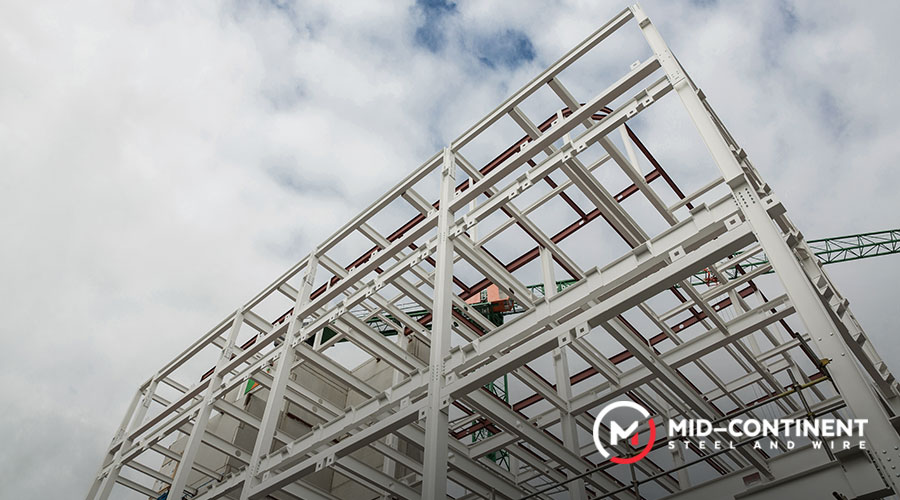
Choose Mid-Continent Steel and Wire beams
We provide the best beams on the market with high-quality manufacturing, strict adherence to industry standards, and a wide range of steel products, including I-beams, W-beams, H-beams, and channel beams.
We offer a diverse selection that allows engineers to choose the precise beam type, size, and grade for any project, from residential buildings to heavy infrastructure. MCSW beams are a trusted choice for construction professionals seeking safety, performance, and flexibility.