
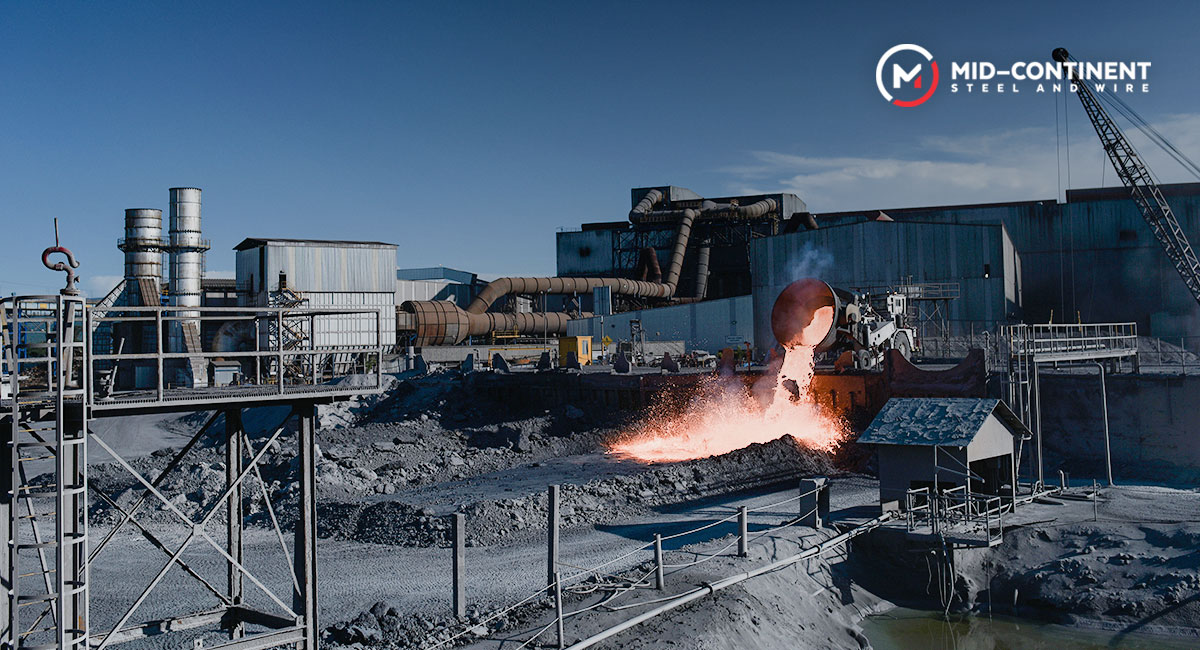

Steel production generates massive carbon emissions through traditional blast furnaces that burn coal and accelerate climate change. As sustainability standards reshape construction and manufacturing, steel producers are increasingly focused on reducing emissions and improving resource efficiency.
Companies across industries now search for green steel companies: organizations that go beyond conventional methods to produce steel with dramatically lower environmental impact. Whether you work in construction, infrastructure, or manufacturing, choosing a sustainability-focused partner is essential for success.
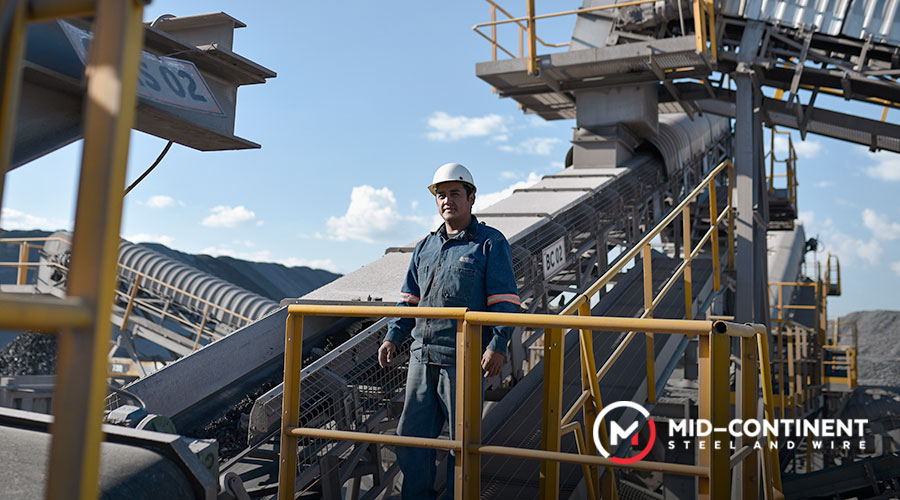
What is green steel manufacturing?
Green steel refers to steel produced with significantly reduced greenhouse gas emissions compared to conventional processes. Traditional steelmaking emits nearly twice its weight in CO₂ per ton of steel because of coke-based blast furnaces. Green steel replaces these emissions-intensive processes by:
- Using electric arc furnaces (EAFs) powered with renewable energy instead of coal.
- Increasing the use of recycled scrap rather than raw iron ore.
- Innovating with new technologies like hydrogen-based iron reduction and advanced electrification.
- Integrating into circular economy practices that recycle and reuse materials.
Across the industry, manufacturers are adopting clean energy and advanced technologies to reduce emissions and improve sustainability performance.
Why green steel companies matter
Companies search for green steel companies because:
- Environmental responsibility is required for major construction and manufacturing projects.
- Carbon-restricted markets drive demand for low-emission building materials.
- Sustainability goals like LEED and net-zero initiatives require partners who deliver on ecological performance.
For projects meeting modern sustainability standards, selecting a green steel provider delivers economic advantage and future readiness.
MCSW’s approach to sustainable steel
Among emerging leaders in this space, Mid-Continent Steel and Wire stands out for industry-leading commitment to both sustainability and practical steel solutions. As a cornerstone of corporate sustainability in the steel sector, we integrate environmental stewardship into every part of our operations.
Here’s what sets us apart:
1. Low-emission steel, high-performance results
We use electric arc furnace technology and processes that generate some of the lowest CO₂ emissions per ton of steel in the world: up to 85% below global averages.
2. Exceptional recycling practices
- 97% of raw material used is recycled.
- 99% of production leftovers are fed back into raw material streams.
This deeply circular approach greatly reduces the environmental footprint of steel manufacturing.
3. Water & resource management
We treat 36% of water used in production, reducing waste and conserving vital resources.
4. Transparent ESG leadership
Our sustainability work extends beyond internal operations. We engage with global frameworks like the UN Global Compact and the US Green Building Council, promoting transparency and accountability in environmental, social, and governance (ESG) initiatives.
5. Certified practice and community support
With LEED certifications and active investment in workforce and community well-being, we prove that green manufacturing works hand-in-hand with social responsibility and economic growth.
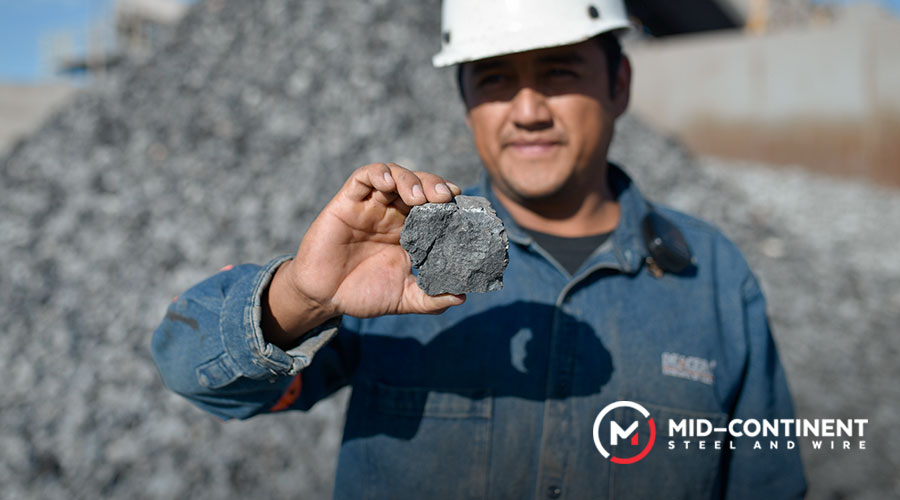
Mid-Continent Steel and Wire’s future-focused solutions
Technology continues reshaping how steel gets produced. Green steel isn’t just an industry trend, it’s the future. Organizations across industries search for sustainable partners who deliver steel products that cut emissions, improve lifecycle performance, and help projects meet climate-aligned goals.
When it comes to trustworthy, impactful, and sustainable steel companies, MCSW stands out as a leader. With advanced recycling, electric arc furnace technology, and a robust ESG framework, we are the smart choice for sustainable steel solutions.
For customers focused on sustainability goals, working with suppliers that prioritize recycled inputs and energy efficiency can support long-term project performance. Read more on our sustainability processes.